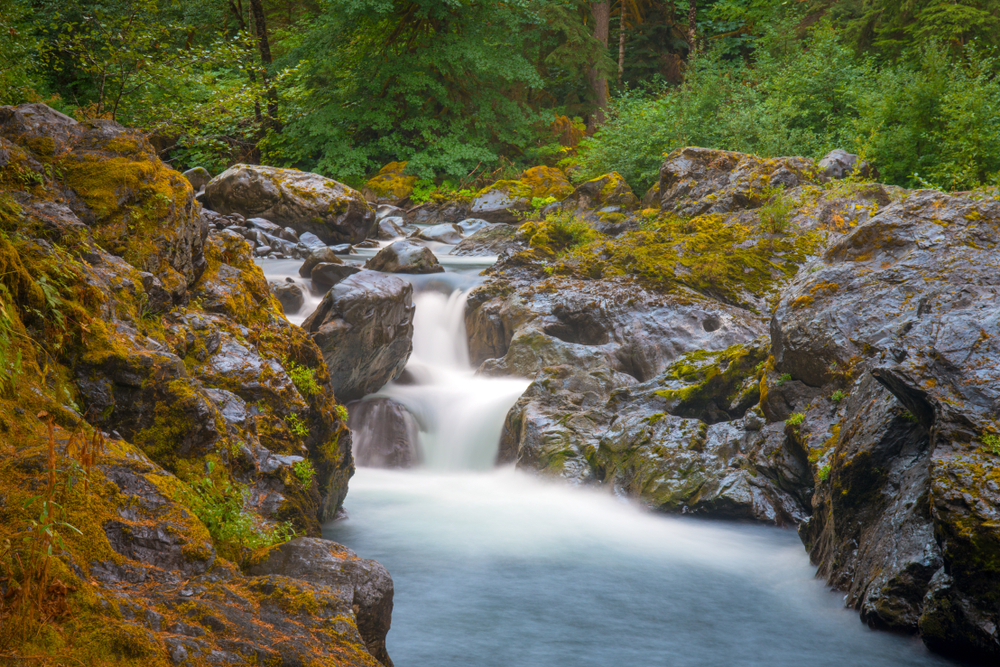
Salmon Cascades: Witnessing Nature's Determination in Olympic National Park
Olympic National Park, a UNESCO World Heritage site, is a realm of unparalleled natural beauty, boasting everything from rugged coastlines to ancient rainforests and glacier-capped peaks. Amidst this grandeur, a series of spectacular waterfalls carve their way through the lush landscape, each offering a unique spectacle. While many visitors flock to the powerful plunges and serene pools, one particular spot stands out not just for its beauty, but for the incredible drama of life it hosts: Salmon Cascades. This isn't just another stop on a list of Discover Olympic National Park's Best Waterfalls and Hikes; it's a front-row seat to one of nature's most epic journeys, making it a must-see among Olympic National Park falls.
Salmon Cascades: More Than Just a Waterfall, It's a Life-Giving Artery
Unlike its more visually commanding counterparts, Salmon Cascades in Olympic National Park isn't celebrated for its height or sheer volume. Instead, its fame rests squarely on the shoulders (or fins!) of the incredible creatures that navigate its turbulent waters. This series of relatively small, gushing cascades transforms into a dynamic stage for the annual salmon run, a vital and awe-inspiring migration that defines the very essence of the Pacific Northwest ecosystem.
During the late summer and early fall, visitors to Salmon Cascades are treated to a truly unforgettable sight: thousands of determined salmon, driven by an ancient instinct, battling their way upstream. They leap against the current, scaling the various tiers of the falls with astonishing power and precision, all to reach their natal spawning grounds. It's a testament to resilience and the circle of life, a visceral reminder of nature's relentless drive. While the falls themselves are modest, the spectacle of these fish defying gravity makes it one of the most unique Olympic National Park falls to witness.
Experiencing the Salmon Run at the Cascades
Accessing Salmon Cascades is wonderfully straightforward, making this natural wonder accessible to nearly everyone. A very short, easy trail leads from a small parking area directly to a designated viewing platform situated above the falls. From this vantage point, you can often see the flashes of silver as salmon hurl themselves upwards, their bodies momentarily suspended against the white rush of water.
For those seeking an even more immersive experience, it's possible (with extreme caution and at your own risk) to navigate down the nearby rocks to a tranquil pool nestled just below the cascades. This lower perspective offers a clearer, more intimate view of the falls and, crucially, a glimpse into the bustling underwater world. Here, schools of salmon congregate in the calmer waters, gathering their strength and preparing for the strenuous ascent ahead. Binoculars are highly recommended to truly appreciate the intricate details of their struggle and eventual triumph.
Beyond the salmon, the cascades also host another fascinating migration. In the spring, typically March and April, it's possible to witness trout making a similar journey upstream, adding another layer of seasonal interest to this unique spot among Olympic National Park falls.
Beyond Salmon Cascades: A Symphony of Olympic National Park Falls
While Salmon Cascades offers an unparalleled wildlife encounter, Olympic National Park is home to numerous other captivating waterfalls, each contributing to the park's diverse appeal. When planning your visit to Explore Sol Duc & Marymere: Olympic National Park's Iconic Falls, you'll discover a spectrum of beauty.
Sol Duc Falls: The Iconic Triple Plunge
Often hailed as the most popular waterfall in Olympic National Park, Sol Duc Falls is a masterpiece of natural design. Its distinctive triple (and sometimes quadruple) stream formation, angled dramatically across a rugged ravine, creates a mesmerizing display of power and elegance. Surrounded by towering ancient trees, cascading smaller waterways, and often framed by distant snow-capped peaks, it's a photographer's dream.
The hike to Sol Duc Falls is as rewarding as the destination itself. This relatively easy 0.8-mile (each way) trail meanders through a quintessential temperate rainforest, immersing visitors in a world of lush ferns, moss-draped trees, and the invigorating scent of damp earth. A sturdy bridge offers the perfect viewpoint, allowing you to gaze directly into the heart of the falls. The best time to experience Sol Duc's full might is during spring and early summer when snowmelt feeds the river, though its beauty persists year-round, offering vibrant autumn colors and serene winter scenes.
Marymere Falls: A Sylvan Seclusion
For those who appreciate classic waterfall beauty nestled within an ancient, emerald forest, Marymere Falls is an essential stop. This 90-foot plunge of crystal-clear water drops gracefully into a serene pool, creating a tranquil oasis. The 1.8-mile round-trip hike is well-maintained and largely flat, making it one of the most accessible and enjoyable waterfall hikes in Olympic National Park for visitors of all ages and abilities.
The path to Marymere Falls leads you through groves of old-growth trees, their towering canopies creating a sense of timelessness. Two distinct viewing areas enhance the experience: a lower viewpoint provides an unobstructed vista of the falls, while an upper perspective offers a broader scene, allowing you to appreciate the cascade within its magnificent forest setting. Many adventurers combine this hike with the more challenging ascent to Mount Storm King, as they share a trailhead, offering a fulfilling day of diverse exploration.
Practical Tips for Exploring Olympic National Park Falls
- Park Passes: Remember that some areas within Olympic National Park require a park pass for entry. Consider purchasing an America the Beautiful Pass if you plan on visiting multiple national parks throughout the year.
- Best Time to Visit: While many Olympic National Park falls flow year-round, spring and early summer often offer the most powerful displays due to snowmelt. However, each season offers unique beauty—autumn for foliage, and winter for serene, snow-dusted scenes. For Salmon Cascades specifically, aim for late summer/early fall for salmon and March/April for trout.
- Footwear: Always wear sturdy, waterproof hiking shoes. Trails, especially near waterfalls, can be damp and slippery.
- Safety First: Heed all posted signs. Rocks near waterfalls are often slick, and river currents can be powerful. If venturing off designated paths (like climbing down at Salmon Cascades), do so with extreme caution and at your own risk.
- What to Bring: Water, snacks, rain gear (the Pacific Northwest is notorious for unexpected showers), and a camera are essentials. For Salmon Cascades, binoculars will greatly enhance your viewing experience.
- Leave No Trace: Help preserve the park's pristine beauty by staying on marked trails, packing out everything you pack in, and respecting wildlife from a distance.
Conclusion: A Symphony of Water and Life
Olympic National Park's waterfalls are more than just scenic viewpoints; they are vibrant ecosystems and powerful symbols of nature's enduring force. From the unique, life-affirming spectacle of Salmon Cascades, where the determination of spawning fish captivates the soul, to the majestic multi-tiered beauty of Sol Duc Falls and the serene plunge of Marymere Falls, each offers a distinctive reason to visit. Exploring these Olympic National Park falls provides not just breathtaking vistas but also a deeper connection to the wild, untamed heart of Washington State. So pack your bags, lace up your boots, and prepare to be inspired by the natural wonders that await.